

Understanding gambling addiction Signs to watch for and how to seek help
What is Gambling Addiction?
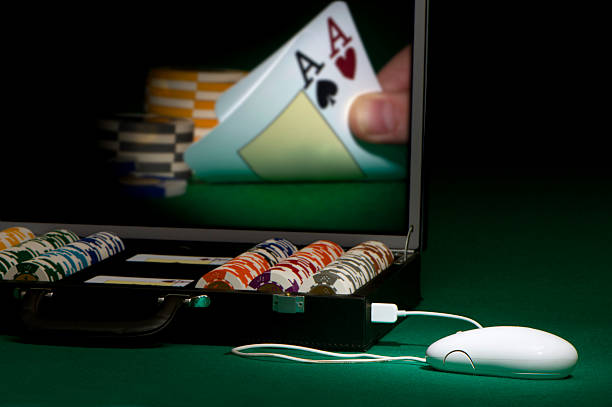
Gambling addiction, often referred to as compulsive gambling or pathological gambling, is a behavioral addiction that leads individuals to engage in gambling activities despite the negative consequences. This condition can severely impact personal relationships, financial stability, and overall mental health. Understanding what constitutes gambling addiction is essential for identifying its signs early and seeking appropriate help. Many people discover fun and engaging options through new casinos online, but it’s important to be aware of the signs of addiction.

The allure of gambling can create a powerful urge to continue playing, often driven by the thrill of winning or the desire to recover losses. Unfortunately, this can spiral into a cycle of dependency where the gambler prioritizes gambling over other aspects of life, leading to significant emotional and psychological distress.
Signs of Gambling Addiction
Identifying gambling addiction can be challenging, as the signs often develop gradually. One of the most common indicators is an increasing preoccupation with gambling. This may manifest as constantly thinking about past gambling experiences or planning future gambling sessions. If you notice someone spending more time and effort on gambling activities, it could be a red flag.
Another significant sign is a growing tolerance for gambling activities. This means that the individual needs to gamble larger amounts of money more frequently to achieve the same level of excitement. Additionally, those struggling with gambling addiction might find themselves lying to friends and family about their gambling habits, which can lead to feelings of isolation and guilt.
Consequences of Gambling Addiction
The consequences of gambling addiction can be severe and far-reaching. Financial difficulties often arise as individuals may deplete savings, accumulate debt, or resort to borrowing money to fund their gambling behavior. This financial strain can result in a host of other issues, such as legal problems or bankruptcy, further exacerbating the individual’s distress.
Moreover, the psychological toll of gambling addiction can lead to anxiety, depression, and an increased risk of self-harm. Relationships with family and friends often suffer as trust erodes and conflicts arise over gambling behaviors. Understanding these consequences is crucial for anyone who suspects they or a loved one may be struggling with addiction.
How to Seek Help for Gambling Addiction
If you recognize the signs of gambling addiction in yourself or someone you know, seeking help is a vital step. Various resources are available, including counseling services, support groups, and treatment programs tailored to address gambling addiction. Many organizations provide confidential assistance, allowing individuals to find help without fear of judgment.
Therapy, particularly cognitive-behavioral therapy, has shown effectiveness in treating gambling addiction by helping individuals change their thought patterns and behaviors. Additionally, support groups offer a sense of community where individuals can share their experiences and challenges in a safe environment. Encouraging open discussions about gambling habits can be a powerful first step towards recovery.
Finding Resources for Support
Finding reliable resources is essential for those seeking help with gambling addiction. Websites dedicated to mental health and addiction often provide information about local support services and treatment options. These platforms can also offer guidance on recognizing symptoms and understanding the recovery process.
Engaging with knowledgeable professionals, such as therapists who specialize in addiction, can significantly enhance the recovery journey. By prioritizing awareness and education, individuals can better navigate their path to healing and rediscover a balanced, fulfilling life beyond gambling.